
Introduction to SEO
What Is SEO?
SEO stands for search engine optimization. It helps websites show up higher in search results on platforms like Google. SEO improves your site’s visibility by making changes to content, structure, and links. These changes help people find your website when they search for related topics. SEO is not one single task it’s a group of ongoing actions that build a stronger online presence over time. But here the real topic is Local SEO vs Traditional SEO Whats the Difference?
The Purpose of SEO in Digital Marketing
The main purpose of SEO is to bring more free traffic to your website. It helps your business appear when someone searches for a product, service, or topic you offer. SEO increases your brand’s reach, builds trust with searchers, and brings long-term results. It’s one of the key tools in digital marketing because it supports visibility without needing paid ads.
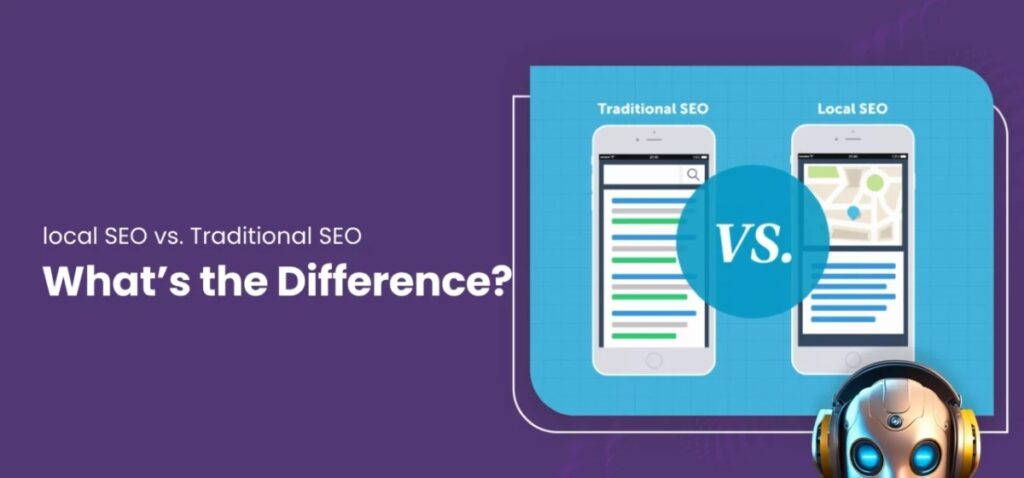
What Is Traditional SEO?
Focus and Scope
Traditional SEO targets a broad audience, without focusing on any specific location. The goal is to rank your website for general keywords that users might search for from anywhere. It helps websites that serve national or global customers. Blogs, online stores, and tech brands often rely on traditional SEO to build wide-reaching traffic and visibility.
Target Audience
The target audience in traditional SEO isn’t tied to a city or region. These users are searching based on topic or interest, not physical location. Traditional SEO works best for businesses that offer online services, digital products, or information. If your website is meant for anyone across the country or even the world, traditional SEO fits best.
Ranking Factors
Several factors affect how a site ranks in traditional SEO. High-quality content that answers user questions is key. Search engines also consider backlinks from other trusted websites, as they show authority. Technical elements like page speed, mobile usability, and site structure impact visibility. User experience and engagement, like bounce rates and time on page, also matter.
When to Use Traditional SEO
Traditional SEO is the right choice for businesses without a local focus. If your customers don’t need to visit a physical store, this strategy works well. It’s useful for companies that sell digital goods, run online services, or want to reach a national or global audience. You don’t need a Google Map listing or a local address to succeed.
What Is Local SEO?
Focus and Scope
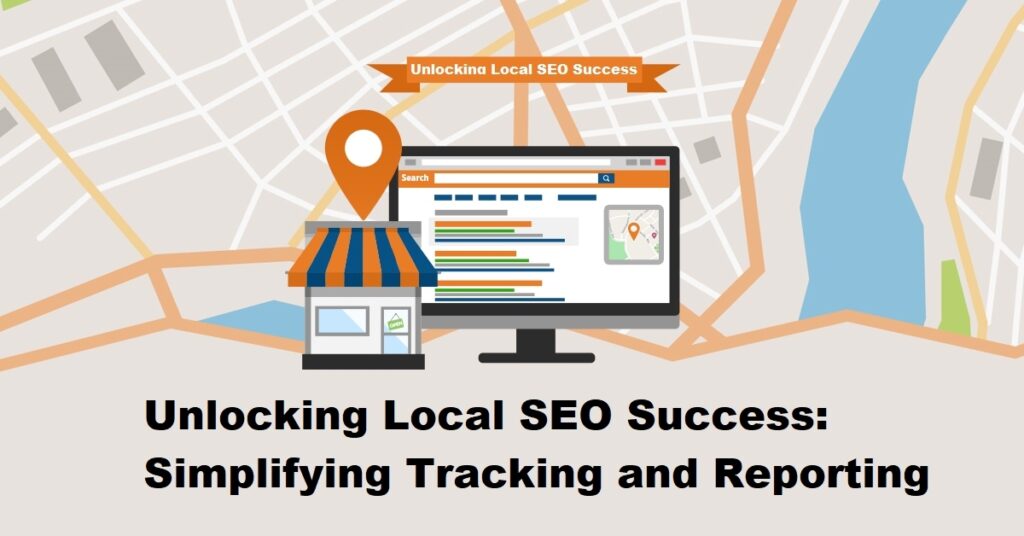
Local SEO helps your business show up when people search for services near them. It focuses on location-based searches, like “plumber near me” or “pizza shop in Chicago.” The goal is to bring local customers to your business, whether you have a store, office, or service area. It works best for companies that want foot traffic or serve people in a specific city or region.
Target Audience and Local Intent
Local SEO targets people searching for products or services in a specific area. These users often have high buying intent—they’re ready to visit or call. For example, someone searching for “emergency dentist Miami” is likely to act quickly. Local SEO connects these searchers to nearby businesses that can help them now.
Key Local Ranking Signals
Search engines use special signals to decide which businesses to show in local results. These signals help Google understand if a business is trusted, nearby, and relevant.
Google Business Profile (GBP)
Your Google Business Profile is critical. It shows your address, phone number, hours, reviews, and more. A fully optimized GBP helps you appear in Google Maps and the local pack. Consistent updates, photos, and responses to reviews improve trust.
Local Citations
Local citations are online mentions of your business name, address, and phone number (NAP). They appear in directories like Yelp, Bing Places, and Apple Maps. Consistent citations across platforms boost your credibility and rankings.
Proximity, Relevance & Prominence
These three signals shape local rankings:
- Proximity: How close the user is to your business.
- Relevance: How well your business matches the search.
- Prominence: How well-known and trusted your business is online.
When to Use Local SEO
Use local SEO if your business serves a local area or has a physical location. It’s ideal for restaurants, dentists, repair services, real estate agents, and more. If your customers come from a nearby city or neighborhood, local SEO gives you the edge over national brands.
Key Differences Between Local SEO and Traditional SEO
Target Audience
- Traditional SEO targets a broad, often global audience.
- Local SEO focuses on people nearby who need quick solutions.
Keyword Strategy
- Traditional SEO uses general terms like “best laptops” or “how to invest.”
- Local SEO adds geo-specific terms like “best laptops in Austin” or “investment firms in Denver.”
Search Results Appearance
- Traditional SEO appears in standard organic results.
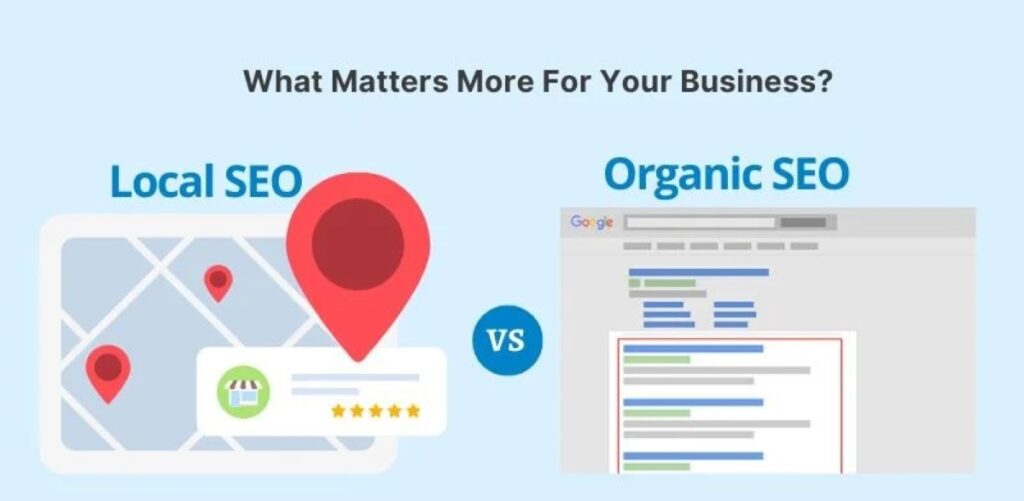
- Local SEO shows in the map pack, with star ratings, hours, and directions.
Tools & Platforms Used
- Traditional SEO tools include Ahrefs, SEMrush, and Google Search Console.
- Local SEO tools include Google Business Profile, BrightLocal, and Moz Local.
Link-Building Approaches
- Traditional SEO builds backlinks from blogs, news sites, and industry pages.
- Local SEO gains links from local news, chambers of commerce, and directories.
Success Metrics and KPIs
- Traditional SEO tracks rankings, organic traffic, bounce rate, and conversions.
- Local SEO measures calls, direction requests, map views, and GBP actions.
Benefits of Local SEO vs Traditional SEO
For Small and Medium Businesses
Local SEO helps small businesses stand out in their community. It brings in nearby customers who are ready to act. You don’t need a huge budget to rank locally. A well-optimized Google Business Profile and strong local reviews can drive steady traffic. It’s cost-effective and brings a high return on investment.
Benefits include:
- More phone calls and foot traffic
- Better visibility on Google Maps
- Easier to compete with big brands locally
- Trust built through reviews and local presence
For National and Global Brands
Traditional SEO suits large companies targeting a wide audience. It helps brands rank for general keywords across cities, states, or even countries. It boosts site authority and long-term traffic growth.
Benefits include:
- Greater reach across regions or industries
- Higher brand visibility for broad terms
- Long-term growth through strong content and backlinks
- Best for companies selling digital or shipped products
Can Local and Traditional SEO Work Together?
Hybrid SEO Strategies
Yes, both can work together. Many businesses need visibility both locally and globally. For example, a chain store may use local SEO for each branch and traditional SEO for its main website.
A hybrid strategy includes:
- Local pages with maps and business hours
- Blog content to rank for industry keywords
- Backlinks from both local and national sources
Example Use Cases
- A law firm with offices in multiple cities
- A restaurant with online recipes and a physical location
- A real estate site with national listings and local agents
- A health clinic offering services locally, but blogging about wellness for broader reach
Which One Is Right for Your Business?
Choosing Based on Business Goals
Your choice depends on what you offer and who you serve. If you have a physical store or serve a local area, go with local SEO. If your business runs online or targets a national market, choose traditional SEO. Some businesses need both.
Use Local SEO if you:
- Have a storefront or office
- Offer services in a specific area
- Rely on foot traffic or local calls
Use Traditional SEO if you:
- Sell online products
- Target users outside your city or country
- Focus on brand awareness and content reach
Questions to Ask Before Deciding
- Where are my customers located?
- Do I need people to visit my location?
- Is my goal to sell locally, nationally, or globally?
- Can my budget support both strategies?
Final Thoughts on Local vs Traditional SEO
Both SEO types are powerful, but serve different needs. Local SEO brings nearby customers to your door. Traditional SEO builds long-term brand reach. Understand your goals, audience, and resources. The right choice or a mix can grow your traffic and business fast.