
If you’re a local business looking to increase your online visibility, the combination of Google Ads and Local SEO is a game-changer. Both tools are incredibly powerful on their own, but when used together strategically, they can significantly amplify your reach, drive more qualified traffic to your website, and ultimately boost sales. In this guide, we’ll show you how to integrate how to use Google ads and local SEO together for maximum impact to create a powerful, well-rounded marketing strategy that delivers maximum impact.
Why Combine Google Ads and Local SEO?
Before we dive into the “how,” let’s take a moment to understand why combining these two strategies is so effective.
- Google Ads helps you reach people who are actively searching for products or services like yours right now. With Google Ads, you can target high-intent keywords and get your business in front of people at the exact moment they’re looking for your services.
- Local SEO helps you establish your online presence in a way that builds long-term organic visibility on search engines. It helps you rank in local searches, making it easier for customers in your area to find your business without having to pay for clicks.
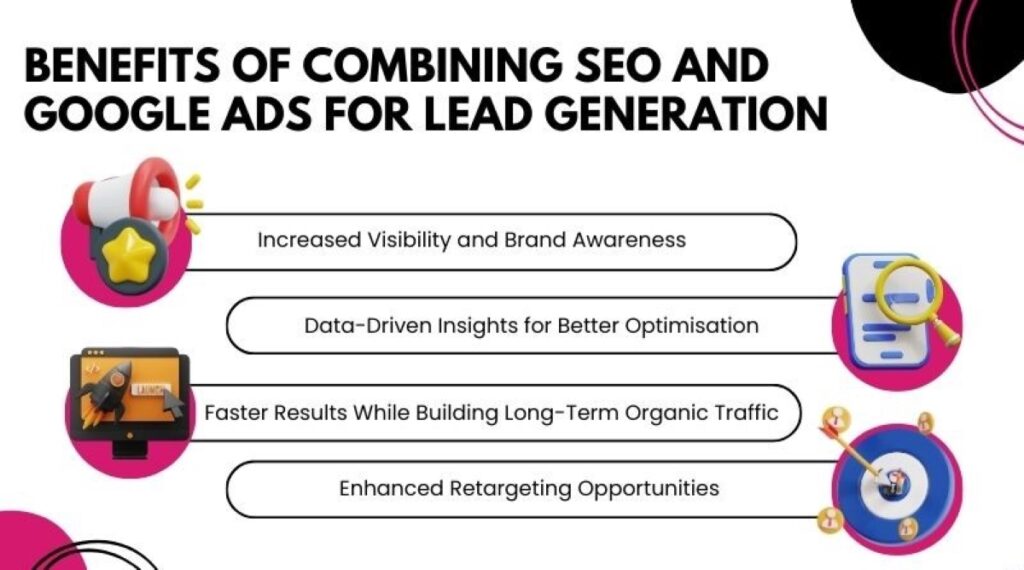
Together, Google Ads ensures your business gets noticed immediately, while Local SEO establishes your authority and helps you maintain visibility over the long term.
1. Use Google Ads to Boost Your Local SEO Rankings
You might be wondering how Google Ads can help improve your Local SEO, after all, one is a paid strategy, and the other is organic. Here’s the trick: Google Ads can help increase your local visibility and click-through rate (CTR), which indirectly impacts your SEO efforts.
Here’s how:
- Drive Traffic to Your Website: When you run local Google Ads campaigns, your ad can appear in the search results alongside your organic listings. This gives your business more opportunities to show up and get clicks, increasing the chances of conversion.
- Improved User Engagement: If users click on your ads, spend time on your site, and engage with your content, Google interprets this as positive user behavior. These signals can contribute to better rankings in organic results over time, especially when they come from local users.
- Local Keywords Matter: Use the same local keywords in your Google Ads campaigns that you’re targeting with your Local SEO strategy. This reinforces your relevance for those search terms, both in paid and organic search results.
2. Use Local SEO to Enhance Your Google Ads Performance
While Google Ads can give you an immediate boost, Local SEO can also work in your favor by creating a solid foundation for your paid campaigns. When your website and business are well-optimised for local search, your Google Ads campaigns will be more successful.
- Landing Pages Optimized for Local Searches: For every Google Ads campaign you run, ensure your landing pages are fully optimized for local SEO. This includes using local keywords, incorporating your business’s location, and having clear local contact information. If your ad leads to a local-specific page, it can improve your Quality Score in Google Ads, meaning you’ll get more bang for your buck in terms of cost-per-click (CPC).
- Google My Business (GMB): Make sure your Google My Business profile is fully updated and optimized. When you combine this with your Google Ads campaigns, your business can show up in both the local pack (the map results) and the paid ads section of search results. This dual presence creates multiple touchpoints with potential customers and increases your chances of being noticed.
- Online Reviews & Reputation: Google values online reviews when it comes to Local SEO. If your Google My Business listing has a good number of positive reviews, it’ll strengthen your SEO ranking. Plus, when combined with Google Ads, it can enhance trust and credibility, increasing your CTR and conversions. So, don’t just focus on getting reviews for SEO—make sure you’re incorporating them into your ads and landing pages as well.
3. Use Google Ads to Test Local SEO Keywords
Google Ads is a fantastic platform for testing keywords before committing to them in your Local SEO strategy. Running an ad campaign allows you to see which local keywords are generating the most clicks and conversions in real-time. This gives you the insight you need to prioritize and refine your SEO efforts.
- Identify High-Performing Keywords: For instance, if you’re a local plumbing business in Manchester and your Google Ads show that keywords like “24/7 plumber in Manchester” or “emergency plumber near me” are driving the most traffic, these should be integrated into your Local SEO strategy on your website and Google My Business profile.
- Refine Your Organic Content Strategy: Once you’ve identified the top-performing keywords in your Google Ads campaigns, optimize your website’s content, blog posts, and service pages to target those keywords in a more organic way. This gives your SEO strategy a head start with data-backed, high-performing terms.
4. Leverage Google Ads for Local Events and Promotions
If you’re running a promotion or a local event, Google Ads can help you attract immediate attention. For example, if your business is hosting a local sale, offering discounts, or celebrating an anniversary, Google Ads can ensure that people in your area are aware of it in real-time.
Here’s how to make it work with Local SEO:
- Target Specific Geographies: With Google Ads, you can narrow down your audience to a particular geographic location. This is great for businesses offering services within a limited radius. Pairing this with Local SEO will ensure your business ranks locally for specific events or promotions.
- Create Location-Specific Ad Extensions: Google Ads offers location extensions, which display your business address, phone number, and a map to users searching for your services. Use this in tandem with Local SEO to show your business both in organic results and paid ads.
- Highlight Local Relevance: When crafting ad copy for promotions, emphasize your local connection. For example, “Join us at our Manchester office for a free consultation” or “Get 20% off for Manchester residents this weekend.” Combining this messaging with local SEO ensures your business feels even more connected to the local community.
5. Track Your Performance: Adjust and Optimize
Both Google Ads and Local SEO offer robust tracking features that you can use to measure your campaigns’ performance. It’s important to continually assess your data and adjust both strategies for maximum impact.
- Google Ads Analytics: Use Google Ads’ conversion tracking to measure how many people are completing the desired actions on your website (e.g., filling out a contact form, calling your business). By tracking this, you can adjust your ads to focus on the keywords and locations that are generating the best results.
- Google Analytics & Local SEO: Track your website’s organic traffic and local search performance through Google Analytics. Pay attention to how people are arriving at your site, how long they stay, and whether they convert. By using this data, you can fine-tune both your SEO content and Google Ads to better meet your audience’s needs.
Conclusion: How to Use Google Ads and Local SEO Together
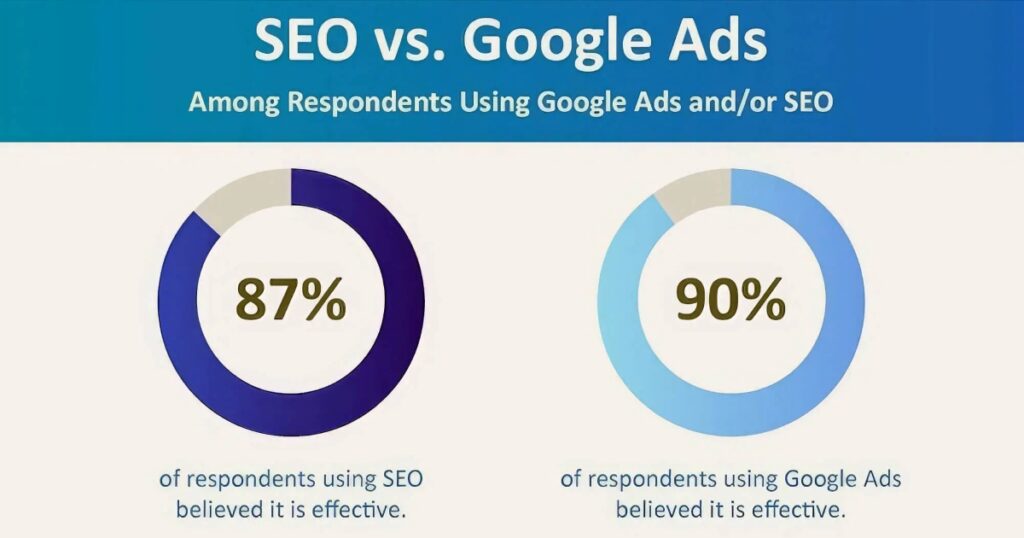
When used together, Google Ads and Local SEO create a powerful synergy. Google Ads gives you the instant visibility you need to get in front of local customers right away, while Local SEO helps you build long-term credibility and organic ranking. The key to success is integration, using both strategies to complement each other.
By leveraging the immediate impact of Google Ads and the sustainable benefits of Local SEO, you can significantly enhance your online presence, drive more targeted traffic, and ultimately grow your business in your local market. So, get started with both today and watch your local visibility soar!